PORTLAND’S DISTINCTIVE HOMES
Homes Worth Studying: Portland’s Architecturally Distinct Properties
Distinctive homes carry distinctive risks, and distinctive rewards.
I curate and sell them differently because I read both sides of the house: the design idea and the structural reality. Architectural literacy reveals what makes a property worth preserving. Engineering literacy reveals where water, gravity, materials, and time may challenge it. My job is to help you understand both before you decide.
Four ways to live with intention
A FIELD GUIDE · 17 STYLES · 1843–TODAY
Portland Architecture: A Field Guide
Every era of Portland home in order, from the 1843 log cabin to today’s infill, with dates, defining features, and what an engineering eye checks in each.
Read the Field Guide →
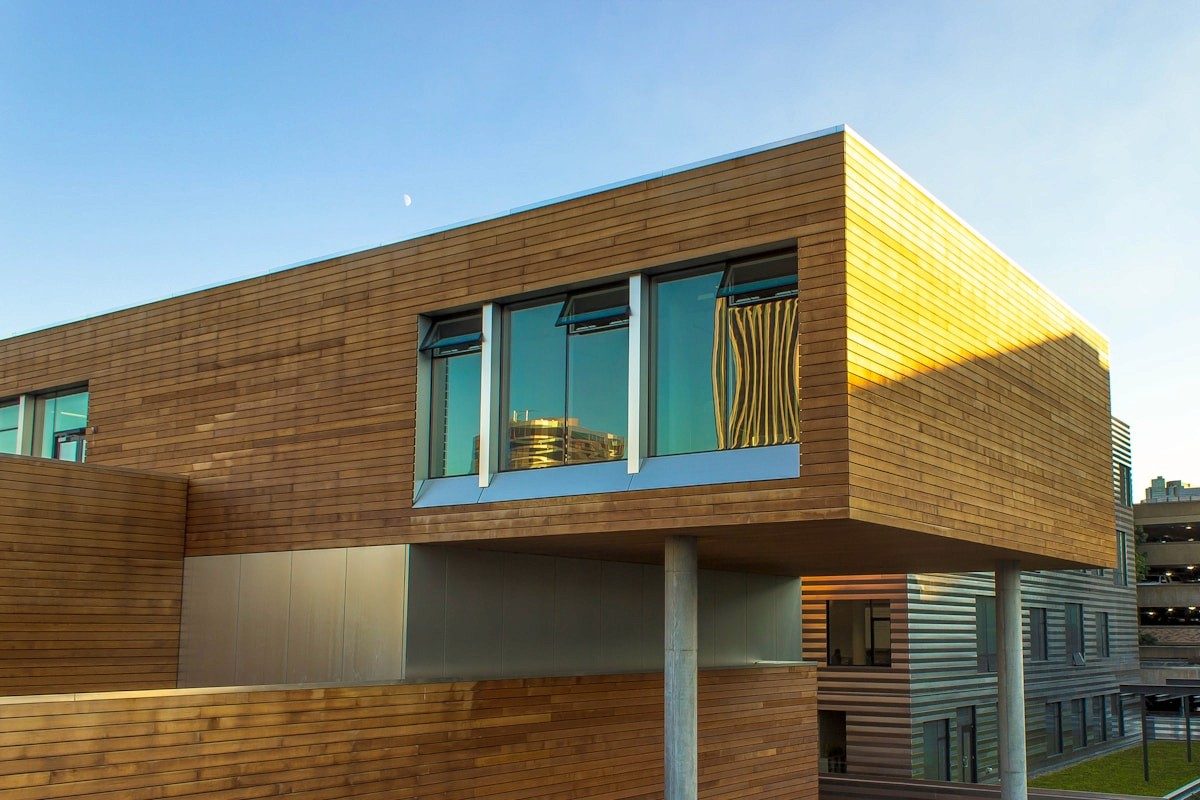
Mid-Century Modern & Rummer Homes
Find the original idea, and know which updates protect it.
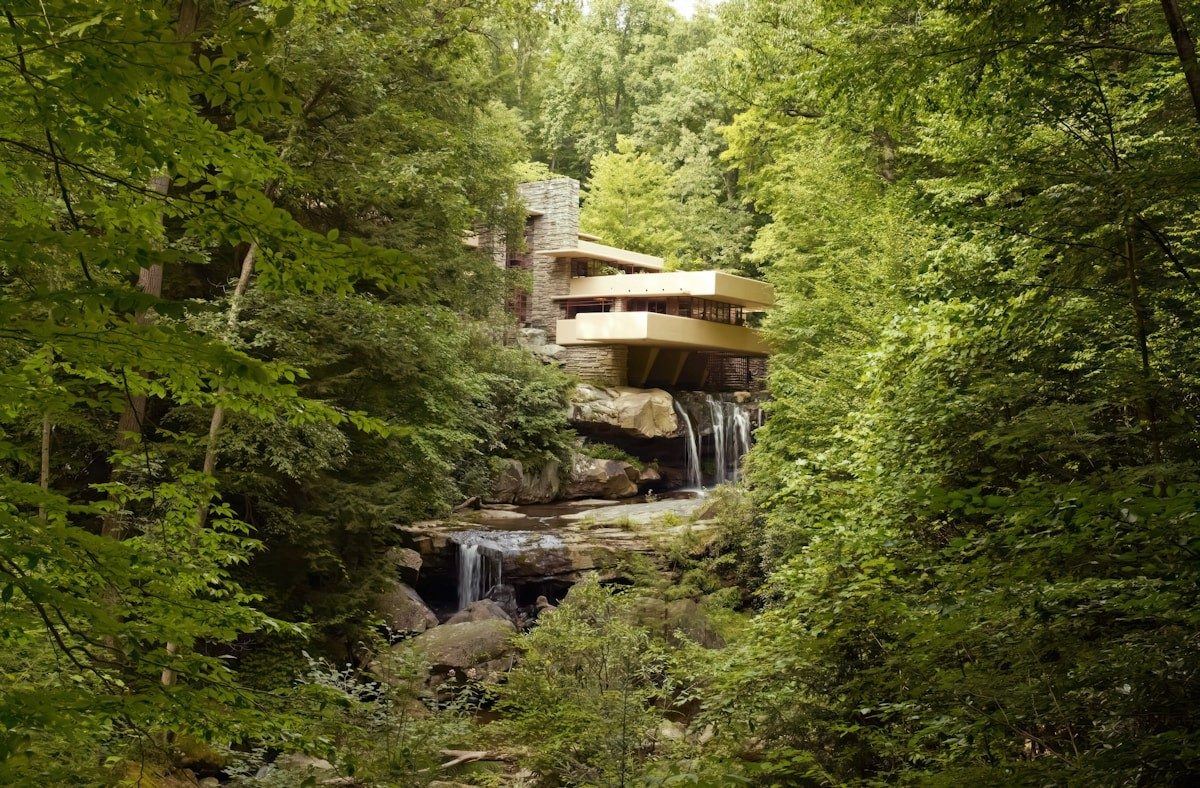
Hillside & Stilt Homes
Understand the slope, structure, drainage, and view premium.
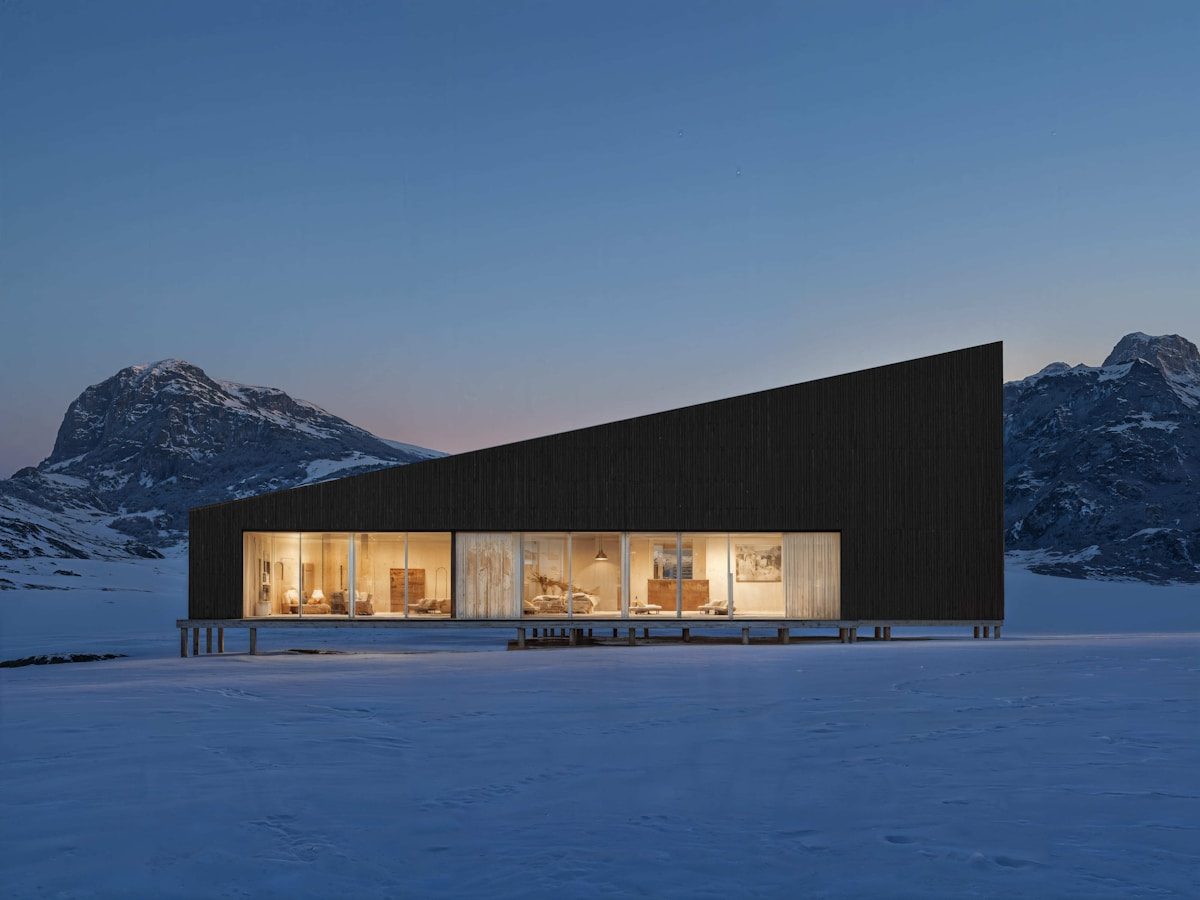
View Homes & Ski Cabins
Separate a memorable outlook from a costly exposure.
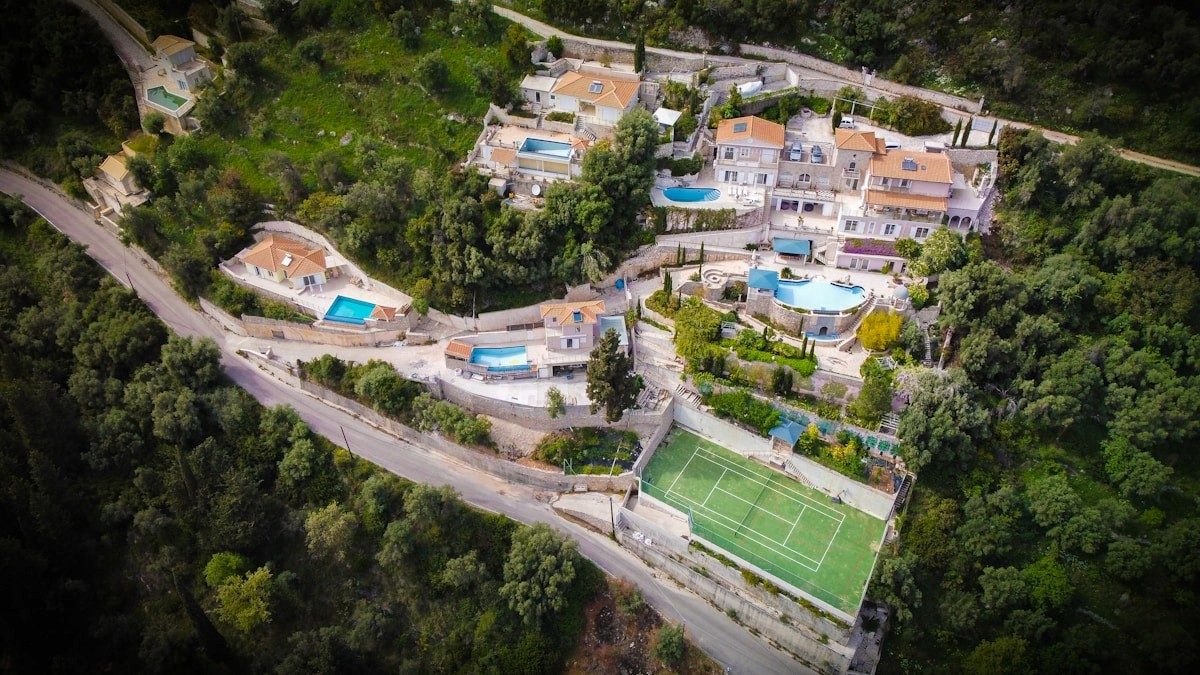
Tennis Court Estates
Evaluate the whole estate, not just the house at its center.
HOW I EVALUATE AN ARCHITECTURAL HOME
Building envelope
Roof geometry, flashing, glazing, siding, insulation, and every transition where Oregon rain can become an interior problem.
Structural system
How loads move through posts, beams, shear walls, foundations, retaining walls, and slopes, and whether alterations changed that path.
Era-specific issues
Post-and-beam roof drainage, 1960s wiring, original glazing, buried oil tanks, hillside foundations, and the details typical of a home’s construction period.
Renovation sensitivity
What can change, what should remain, and where an efficient improvement would accidentally erase the proportion, rhythm, or material logic that creates value.
Looking for something specific? Tell me the architect, era, or feeling.
Architectural home questions, answered plainly
Who built Portland’s mid-century modern homes? Pietro Belluschi, John Yeon, Van Evera Bailey, William Fletcher, Robert Rummer, and many lesser-known architects and builders shaped the region. Attribution should be documented carefully; style alone is not proof.
Are flat-roof homes a problem in Oregon rain? Not inherently. The questions are drainage design, membrane age and detailing, penetrations, overflow paths, maintenance history, and whether water has somewhere reliable to go.
Is it safe to buy a home on stilts? It can be. Safety depends on the actual structural system, lateral resistance, connections, foundation condition, slope stability, drainage, and any modifications, not the visual drama of the supports.
Do you work with architects on renovation feasibility before purchase? Yes. When the decision needs more than a showing-level opinion, I help bring the right architect, engineer, contractor, or specialty consultant into the conversation before contingencies expire.